華中肉類加工廠 A:氨熱泵回收製冷排熱製取廠區熱水
作者現場調研(2024-05):氨中溫熱泵經預熱器+冷凝蒸發器與廠區氨製冷耦合;用戶口述日製熱水約 400–500 m³,替代外購蒸汽。
Run detailed calculation with this case一键代入详细计算
工程數據
- 案例類型
- 脫敏現場參考 — 有工程經驗但無可公開原始數據
- 數據狀態
- 脫敏現場參考
- 數據來源
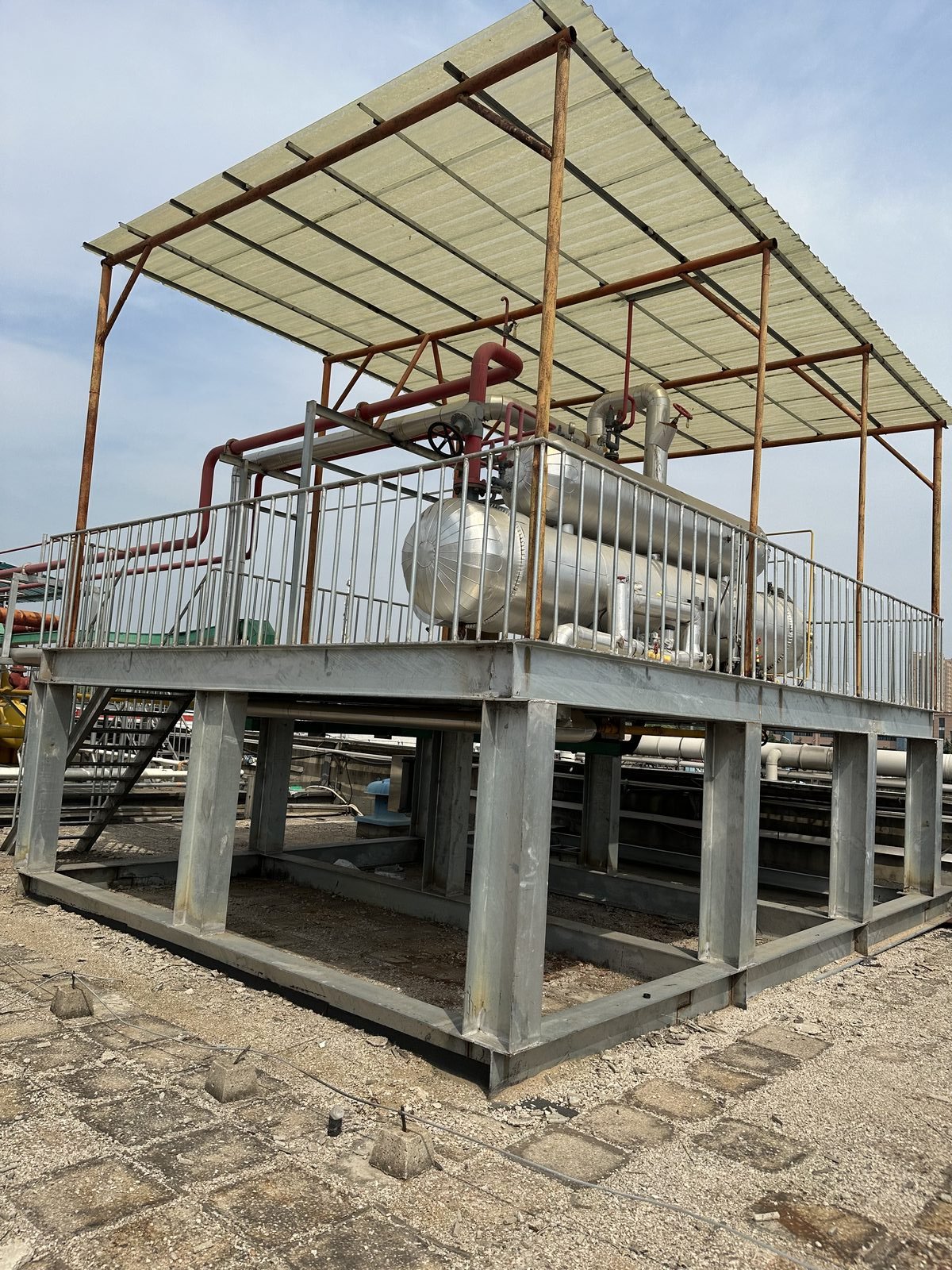
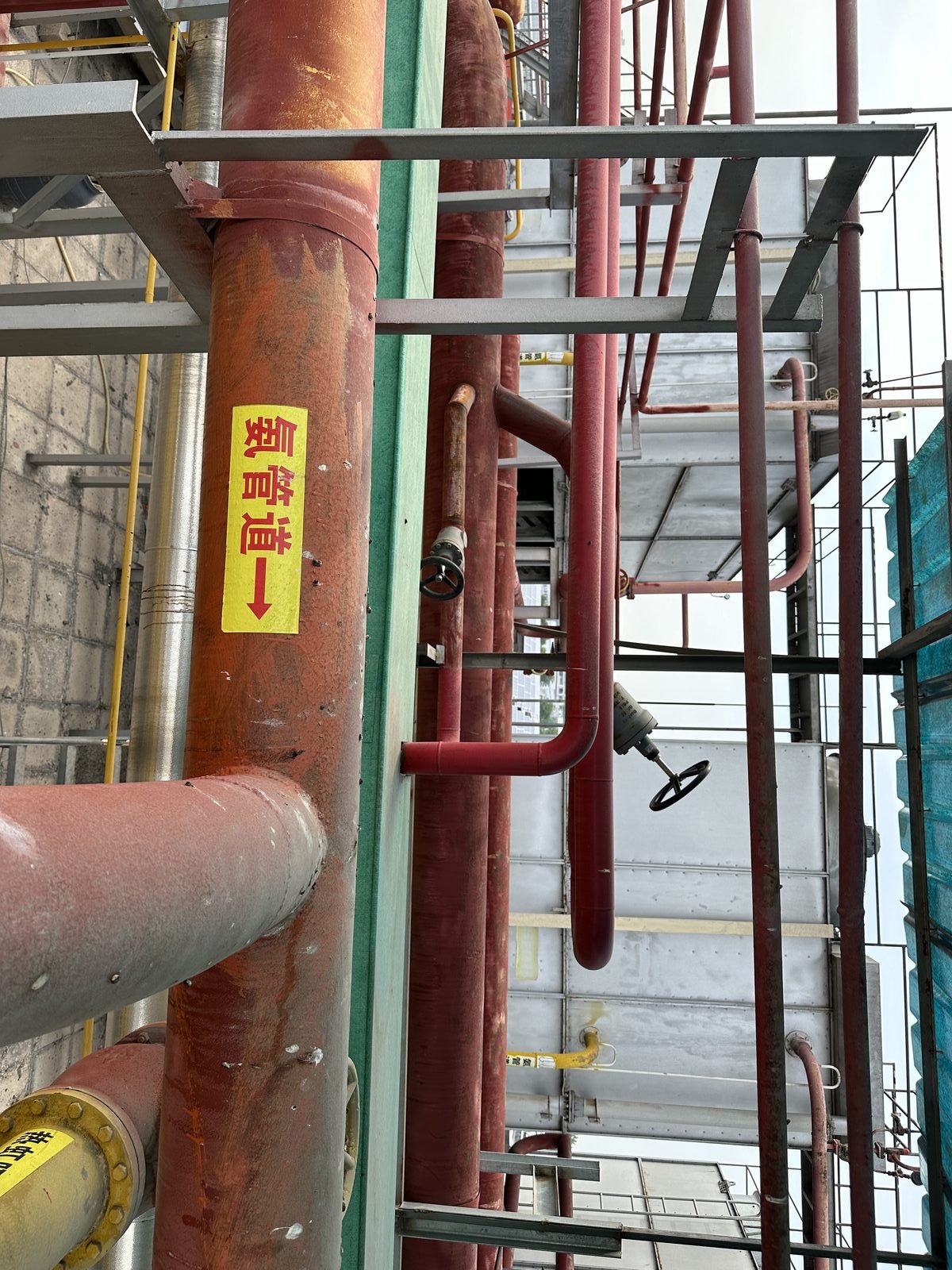
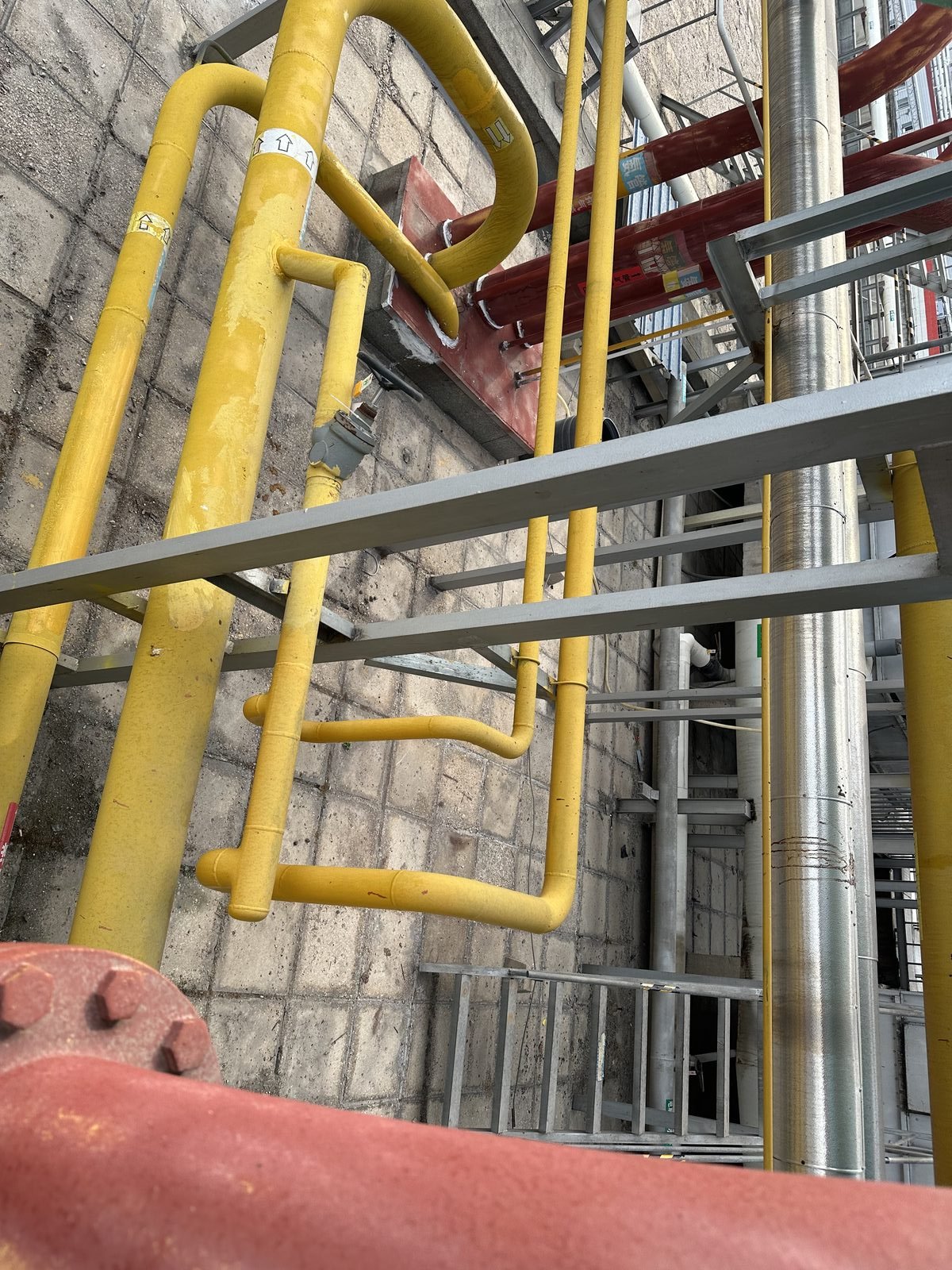
- 作者現場調研筆記(2024-05);用戶口述熱水產量與蒸汽費用節約;氨熱泵管路與撬塊脫敏現場照片
- 審閱 / 日期
- Editorial (Open Thermal AI) · 2026-11-02
- 行業
- 食品
- 熱源溫度
- 28–35°C
- 熱匯溫度
- 55–75°C
- 溫升
- ≈ 20 K
- 供熱/製冷負荷
- 未披露
- 架構
- 氨中溫熱泵,經預熱器+冷凝蒸發器+輔助貯液器下液路徑與在運製冷耦合
- 結果狀態
- May 2024 survey record: Overall operation reported as good; steam purchase displaced for a large share of plant hot-water duty
- Key risk
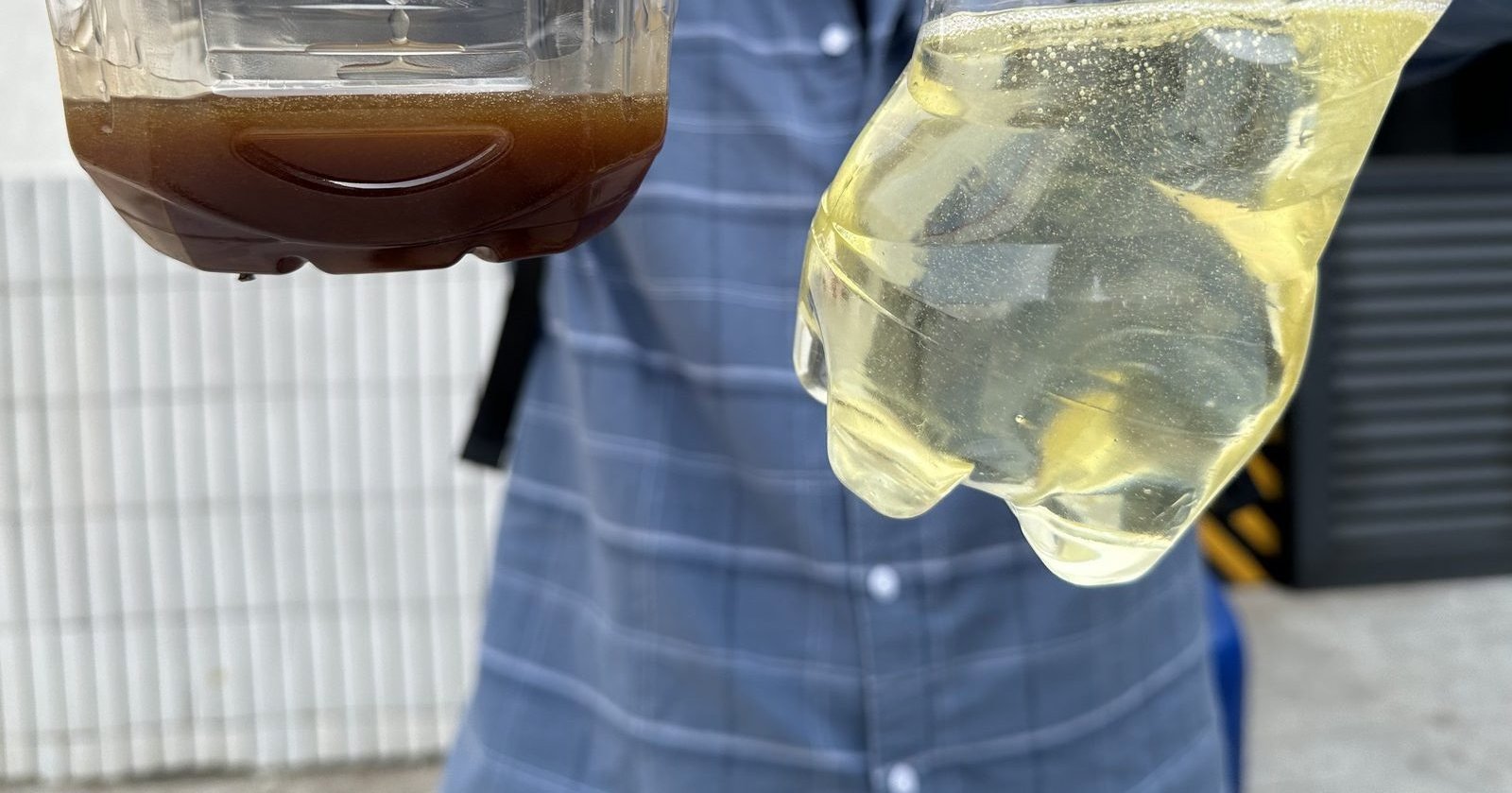
- 調研油品首年須更換;管路清潔度;後續宜將預熱器與冷凝蒸發器撬裝化
- 原有系統
- 工藝/消殺熱水依賴外購蒸汽;氨製冷排氣/冷凝側有可回收排熱
- 製冷劑
- R717 (ammonia)
- COP
- 未披露
- 年度節能 / 減排
- Plant-reported: ~¥130k/month (~¥1.56 M/year) steam-cost savings vs purchased steam — not independently metered here
- 預計回收期
- Plant-reported: CAPEX ~¥2.6 M/set; static payback under ~1.8 years — site-specific tariffs
項目背景
A Central China meat-processing plant needed large volumes of process hot water while rejecting ammonia refrigeration heat. The author surveyed the ammonia heat-pump retrofit in May 2024. Customer identity is omitted.
敘述性輸入
熱源:氨排氣/冷凝熱,經預熱器+冷凝蒸發器。熱匯:廠區熱水,用戶口述約 400–500 m³/天。本站不公佈獨立計量的制熱量與 COP。
熱泵方案
氨中溫熱泵以製冷排熱爲蒸發側熱源,向廠區熱水迴路供熱;預熱器與冷凝蒸發器下液經輔助貯液器路徑返回。現場筆記亦建議後續將兩換熱器撬裝化、進口管合併。
COP 與節能
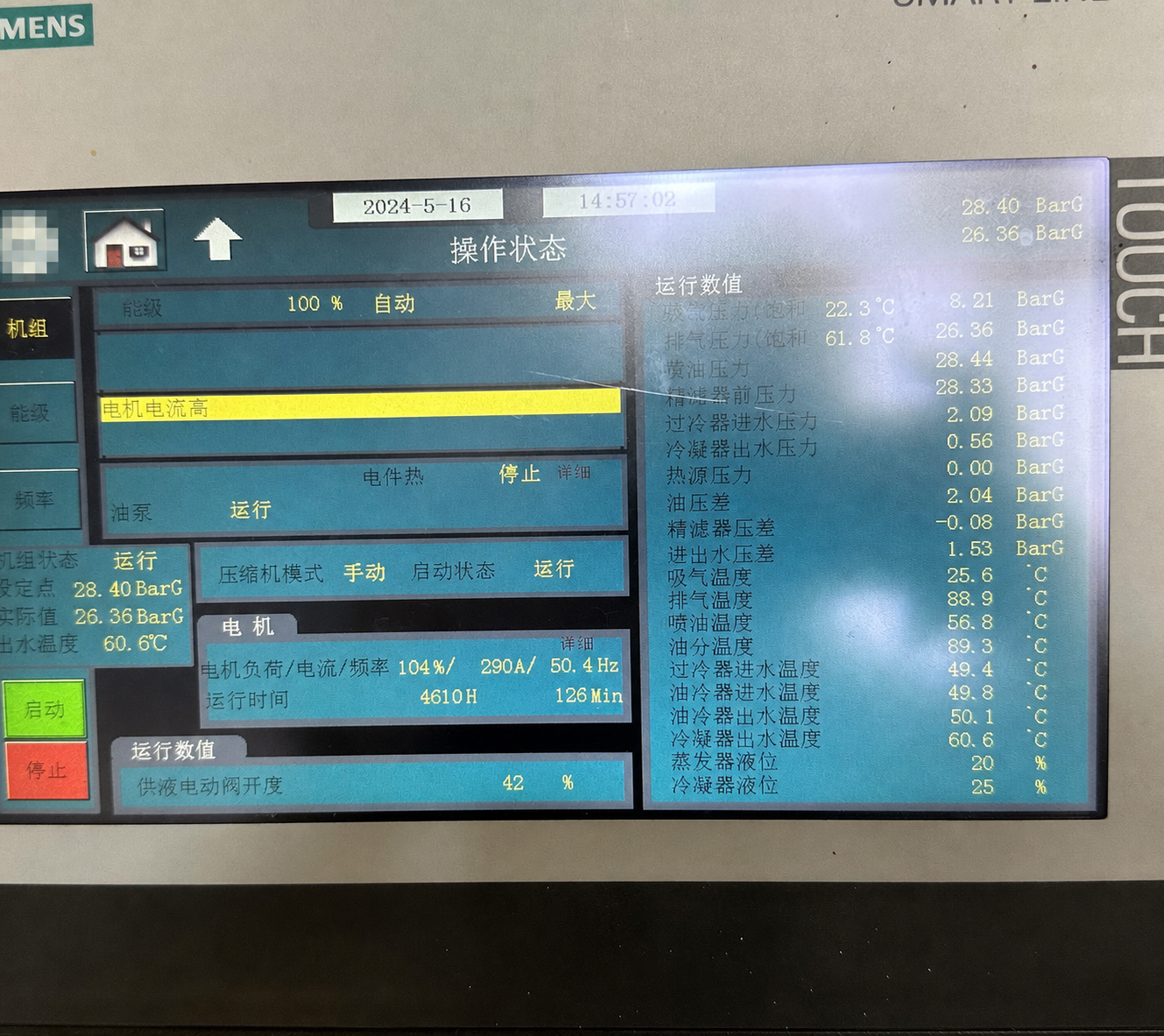
作者現場調研;熱水產量與經濟性爲用戶口述——本站未做獨立電錶/蒸汽表覈驗。調研時人機界面顯示機組正常運行,僅作觀察證據。
投資回報要點
Plant-reported figures: ~¥130k/month steam savings (~¥1.56 M/year) against CAPEX ~¥2.6 M/set, implying static payback under ~1.8 years. Tariffs, hours, and steam price are site-specific; treat as site-reported, not verified ROI.
FAQ
這是獨立計量覈驗案例嗎?
不是。證據等級爲匿名現場參考:作者現場筆記與照片,加用戶口述經濟性。本公開未做獨立計量覈驗。
與站內其他食品氨熱泵案例有何不同?
本案例聚焦華中肉類加工熱水替代外購蒸汽,並記錄預熱器/冷凝蒸發器/輔助貯液器耦合與首年油品清潔等 2024 現場經驗,而非另一地區公開參數表摘要。
另一家工廠借鑑本案例前,應覈實什麼?
覈實製冷運行工況、熱水溫度與流量、同時用熱需求、電價及被替代熱源費用、輔機電耗、備用熱源與維護,並保留在運氨系統的安全複覈。本匿名現場參考不能確定另一家工廠的 COP、淨節能或回收期,這些需要現場測量和工程複覈。
What changed in the 2 November 2026 review?
This was an editorial review, not a repeat site visit. No new author field record was supplied. The May 2024 observations and plant-reported savings remain historical, anonymized references; current operation and savings need a new authorized follow-up.