District heating
Illustrative
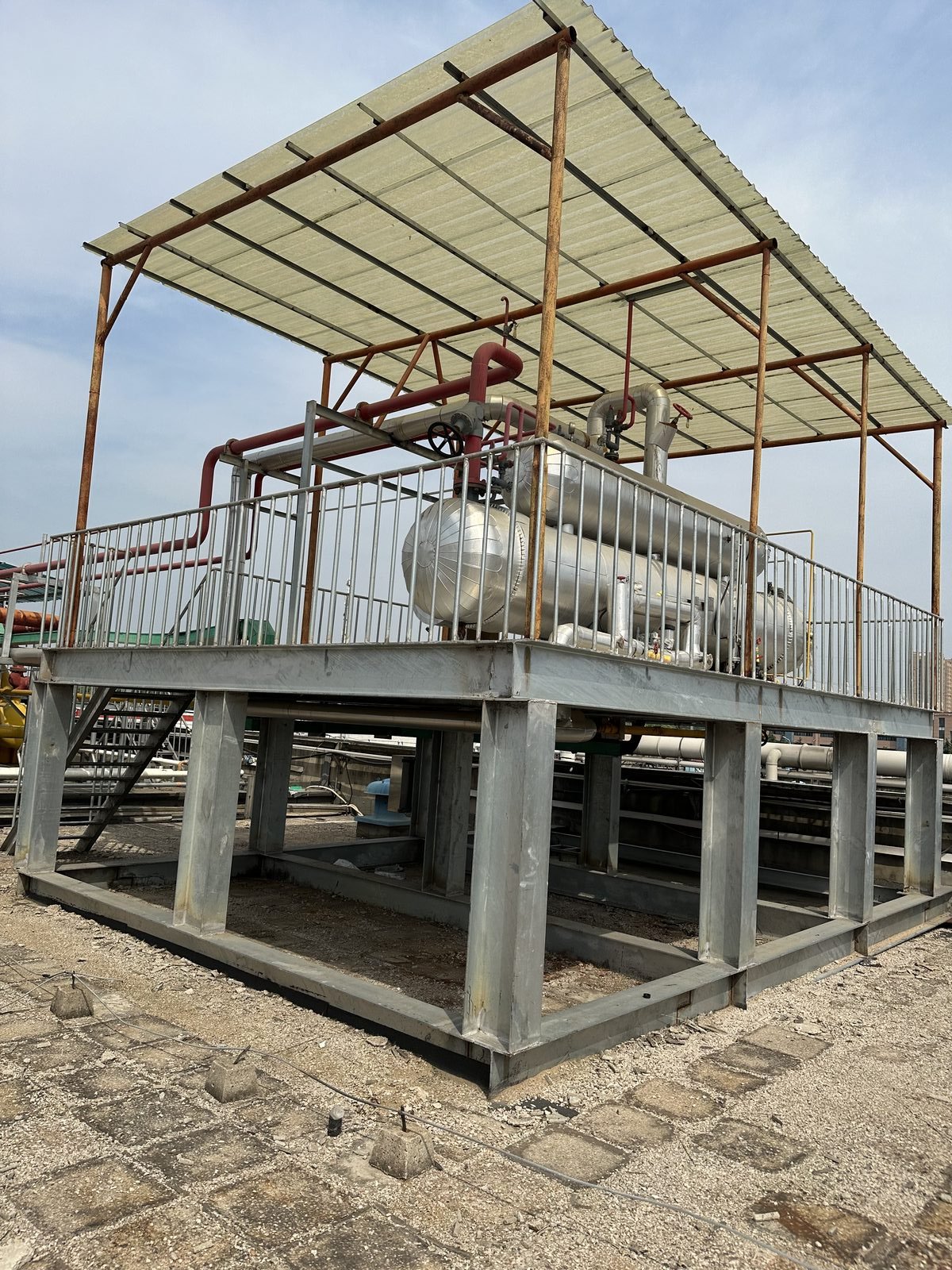
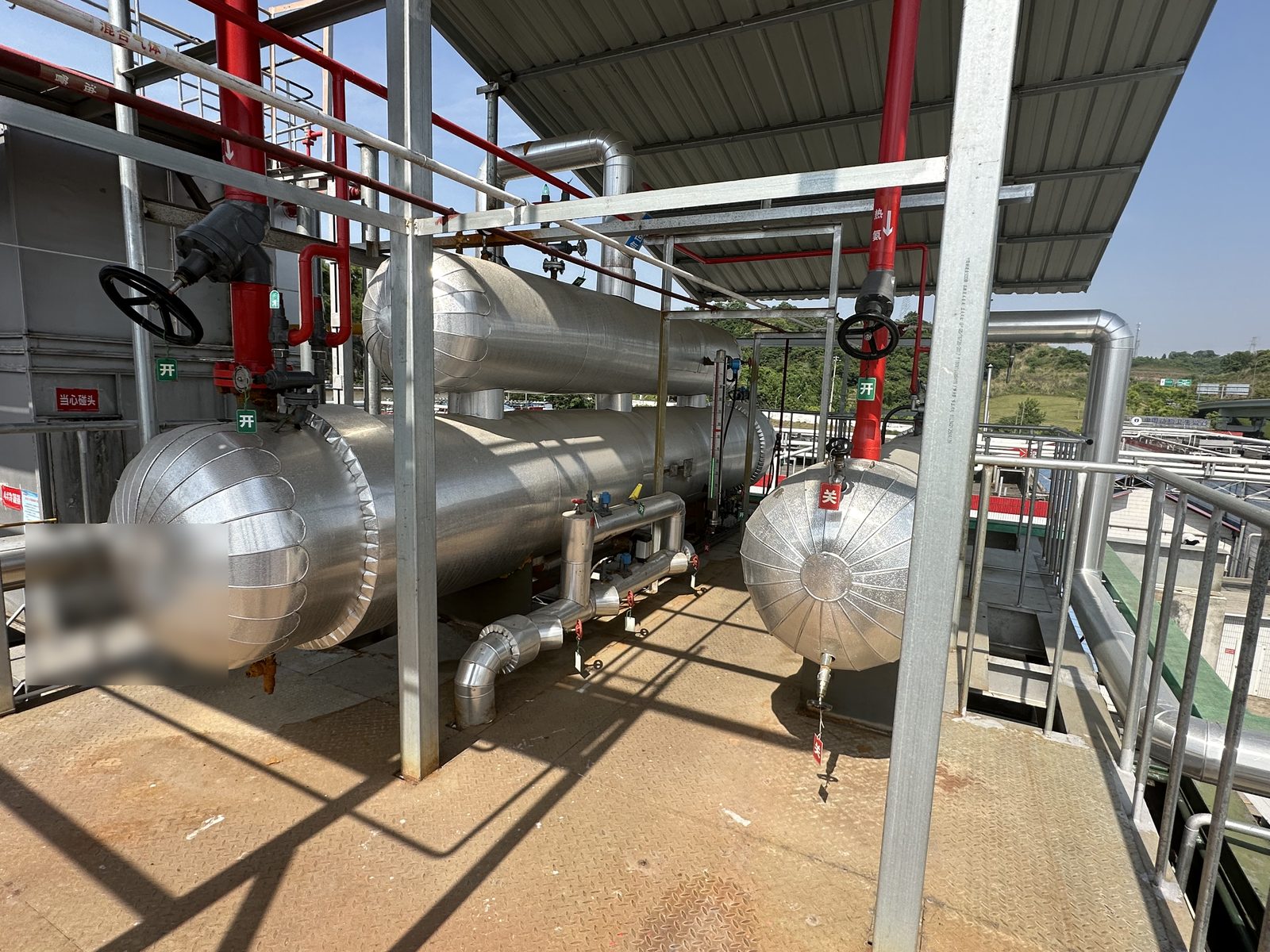
Anonymized public project: four ammonia heat pumps recover biomass CHP flue condensation heat for district heating, with seasonal supply temperatures.
- Industry
- District heating
- Source temperature
- 35–40°C
- Sink temperature
- 65–95°C
- Temperature lift
- ≈ 25 K
- Architecture
- Multi-unit ammonia screw heat pumps (incl. high-pressure stage)
- Result status
- Stable DH supply from flue condensation heat; reduced peak-boiler runtime
- Key risk
- Ammonia plant-room safety; high-pressure design; winter peak coverage
- Data source
- Illustrative engineering sketch — not measured customer data
- Anonymization
- Customer names omitted
Illustrative engineering sketch — not measured customer data
Anonymized slaughter-plant retrofit: ammonia mid-temp heat pump couples to existing ammonia refrigeration and displaces a gas boiler for wash/sanitation hot water.
- Industry
- Food
- Source temperature
- 28–32°C
- Sink temperature
- 75–80°C
- Temperature lift
- ≈ 43 K
- Architecture
- Ammonia mid-temperature heat pump coupled via evaporative condenser interface
- Result status
- Gas boiler largely displaced for wash heat; refrigeration reject heat reused
- Key risk
- Ammonia safety; seasonal refrigeration load vs heat demand mismatch
- Data source
- Illustrative engineering sketch — not measured customer data
- Anonymization
- Customer names omitted
Illustrative engineering sketch — not measured customer data
Anonymized spirits plant expands cooker steam without upsizing the site transformer—cascade air-source HP feeds an MVC steam train.
- Industry
- Food
- Source temperature
- 15–25°C
- Sink temperature
- 115–120°C
- Temperature lift
- ≈ 90 K
- Architecture
- Cascade air-source HTHP + flash / twin-screw mechanical vapor compression
- Result status
- 120°C steam supply without electric-boiler capacity jump
- Key risk
- Winter ambient derate; MVC controls; water quality for steam generator
- Data source
- Illustrative engineering sketch — not measured customer data
- Anonymization
- Customer names omitted
Illustrative engineering sketch — not measured customer data
Anonymized dyehouse recovers hot effluent and condensate in stages—direct exchange first, then waste-heat heat pumps—for 50°C and 70°C process water.
- Industry
- Textile
- Source temperature
- 20–60°C
- Sink temperature
- 50–70°C
- Temperature lift
- ≈ -10 K
- Architecture
- Multi-stage cascade: HEX + waste-heat source heat pumps
- Result status
- Steam use reduced by cascading high-grade heat before heat-pump lift
- Key risk
- Fouling on effluent exchangers; controls for seasonality
- Data source
- Illustrative engineering sketch — not measured customer data
- Anonymization
- Customer names omitted
Illustrative engineering sketch — not measured customer data
Manufacturing
Illustrative
Anonymized heat-treat lines recover furnace flue heat to a ~70°C water buffer, then a high-temp heat pump produces ~140°C water for flash steam to bath heaters.
- Industry
- Manufacturing
- Source temperature
- 65–75°C
- Sink temperature
- 135–140°C
- Temperature lift
- ≈ 60 K
- Architecture
- Flue → water buffer → HTHP → flash steam, paralleled with legacy steam
- Result status
- Baths held near 90°C on flash steam; network steam opens only when HP steam is short
- Key risk
- Flue exchanger fouling; flash-steam stability; backup valve logic
- Data source
- Illustrative engineering sketch — not measured customer data
- Anonymization
- Customer names omitted
Illustrative engineering sketch — not measured customer data
Anonymized engineering sketch from an open-cycle ammonia heat-pump water loop for a meat-processing energy center—customer and drawing identifiers removed.
- Industry
- Food
- Source temperature
- 15–35°C
- Sink temperature
- 60–65°C
- Temperature lift
- ≈ 25 K
- Architecture
- Open-cycle / plant-integrated ammonia heat pump water loops
- Result status
- MW-class heating duty integrated with refrigeration machine-room hydraulics
- Key risk
- Hydraulic balancing; ammonia plant-room interfaces; seasonal loop temperatures
- Data source
- Illustrative engineering sketch — not measured customer data
- Anonymization
- Customer names omitted
Illustrative engineering sketch — not measured customer data
District heating
Illustrative
Illustrative CO₂ (R744) + R515B cascade concept for district / industrial heating where fluorocarbon cascades lose capacity in deep cold.
- Industry
- District heating
- Source temperature
- -40–-25°C
- Sink temperature
- 75–85°C
- Temperature lift
- ≈ 100 K
- Architecture
- CO₂ + R515B full cascade VCHP
- Result status
- Illustrative stable envelope near −40°C with engineered boiler backup
- Key risk
- Triple-point proximity in exceptional cold; need multi-energy redundancy; high discharge-side pressure design
- Data source
- Illustrative engineering sketch — not measured customer data
- Anonymization
- Customer names omitted
Illustrative engineering sketch — not measured customer data
Waste heat recovery
Illustrative
Illustrative low-lift heat pump recovering booth exhaust to supply parts wash water.
- Industry
- Waste heat recovery
- Source temperature
- 28–35°C
- Sink temperature
- 65–70°C
- Temperature lift
- ≈ 30 K
- Architecture
- Air-to-water heat pump + glycol recovery coil
- Result status
- Illustrative strong ROI on two-shift booth runtime
- Key risk
- VOC / coil fouling; filtration maintenance; weekend load swing
- Data source
- Illustrative engineering sketch — not measured customer data
- Anonymization
- Customer names omitted
Illustrative engineering sketch — not measured customer data
Illustrative cascade / two-stage concept for a solvent recovery heater, displacing LP steam.
- Industry
- Chemical
- Source temperature
- 42–48°C
- Sink temperature
- 105–110°C
- Temperature lift
- ≈ 57 K
- Architecture
- Two-stage or cascade VCHP
- Result status
- Illustrative continuous steam displacement on >6000 h/y duty
- Key risk
- Large lift / discharge temperature; oil rating; steam-header backup integration
- Data source
- Illustrative engineering sketch — not measured customer data
- Anonymization
- Customer names omitted
Illustrative engineering sketch — not measured customer data