Compare industrial cooling, heat pumps and energy recovery with your site.查找工业供冷、热泵和余能利用案例,对照自己的现场条件。
Field references and public sources are labeled separately. These entries are not independently metered delivery records.现场参考与公开资料分别标注;这些条目不是独立计量核实的交付记录。
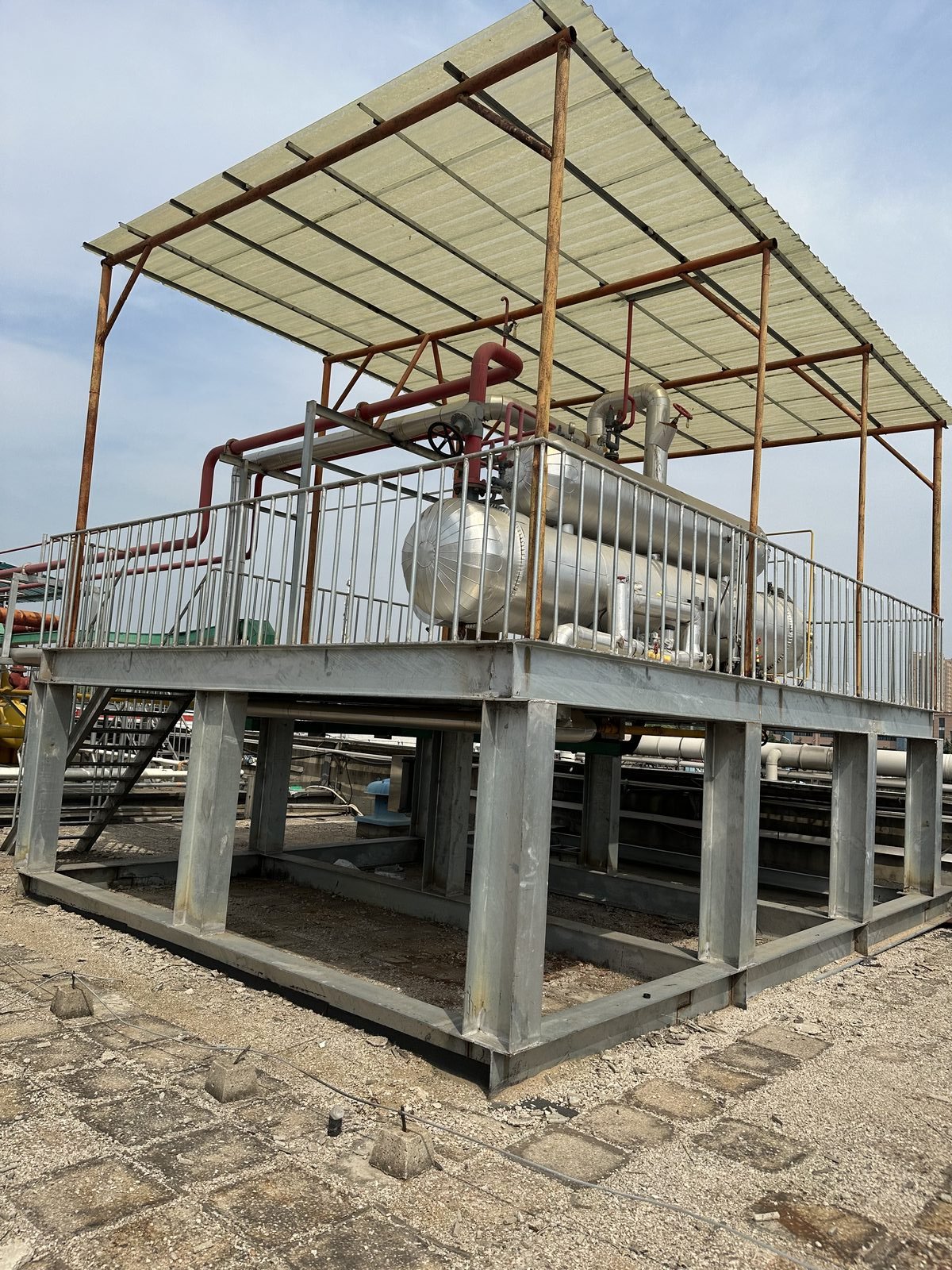
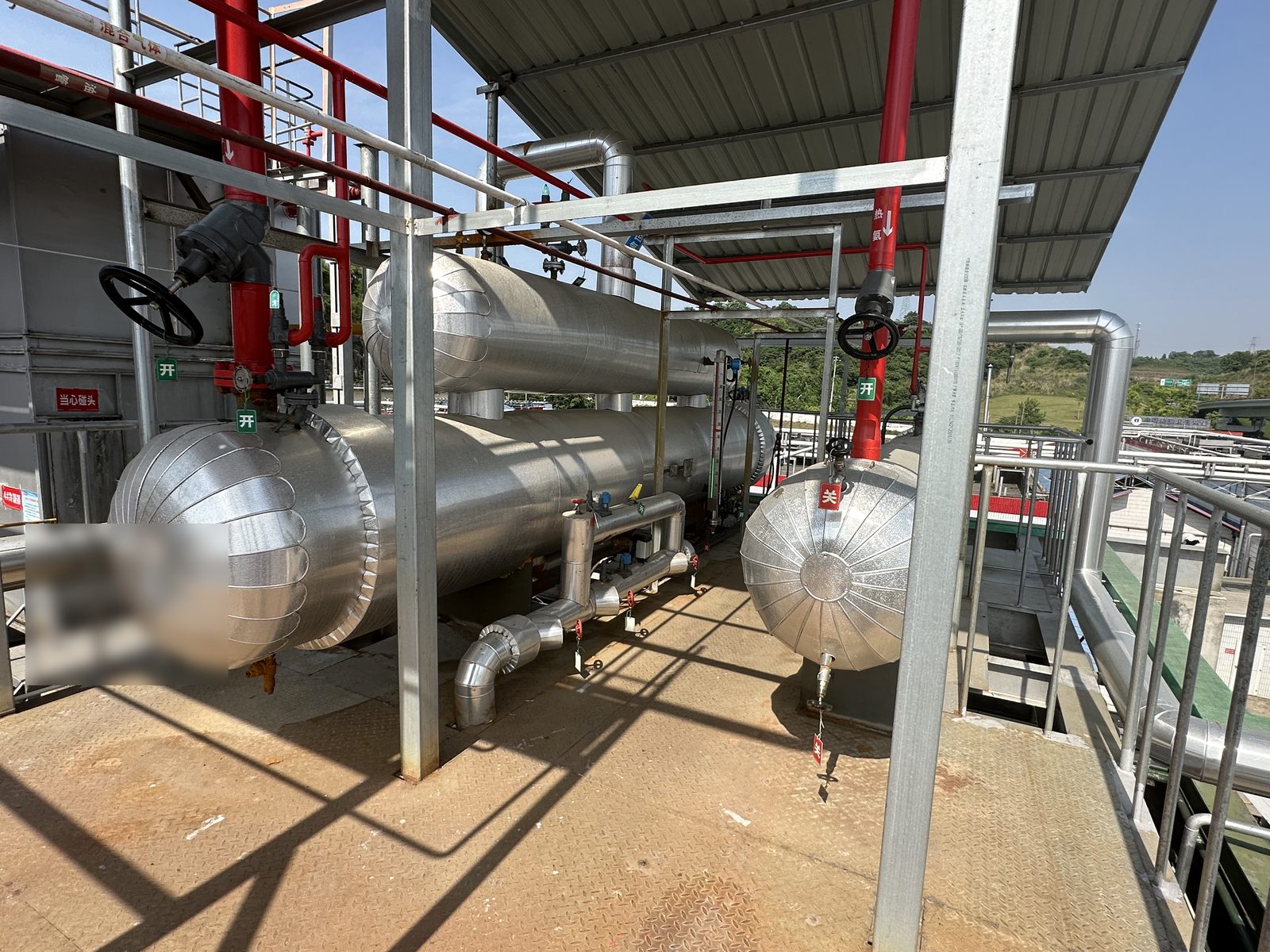
Two site visits, one practical starting point从两次现场调研开始看
See how ammonia heat pumps connect refrigeration heat to plant hot water. Site observations and reported outcomes remain distinct from independent measurements.看氨热泵如何连接制冷排热与厂区热水。现场所见和业主反馈不等于独立计量。
The two field references document site observations. Public cases cite the source for each reported operating status, design value or forecast.
Field references and public-source write-ups stay separate. Illustrative screens remain archived. Numbers in public-source cases are copied from the cited report or vendor note.
Know what kind of evidence you are viewing
Three clearly separated case types
2 cases
Anonymized field references
Author site observations with customer identity removed. Reported outcomes are not presented as independent metering.
11 guides
Public-source learning cases
Published facts and editable teaching assumptions stay separately labeled.
Cementir reports about 1 million GJ of heat delivered to Aalborg in 2023.母公司 Cementir 披露,2023 年向奥尔堡市交付约 100 万 GJ 热量。
Key risk主要风险
Heat delivery depends on kiln uptime, network demand and return temperature. The source gives an annual heat figure without hourly or monthly data.供热取决于窑线开工、热网负荷和回水温度。公开披露给出年度供热量,小时和月度数据仍待核实。
Data status: public-source summary — figures are not remeasured on this site.数据状态:公开来源摘要——本站未再计量。
Operating record and technical details运行记录与技术资料
The Aalborg cement plant recovers heat from kiln combustion gases and supplies it to the municipal district heating network.奥尔堡水泥厂回收水泥窑烟气余热,送入市政区域供热网。
Architecture系统架构
Kiln exhaust heat recovery connected to the district heating network.水泥窑烟气余热回收接入区域供热网。
Energy use利用去向
Heat delivered to Aalborg’s municipal district heating network.向奥尔堡市政热网供热。
Frozen-food cold storage. The verification report records one package with a specified cooling capacity of 189 kW.为冻品冷库供冷。核证报告记录了一台规格制冷量为 189 kW 的机组。
Result status结果状态
The JCM registry records operation from December 2014. JQA verified the project’s emissions calculation for February–July 2015.JCM 登记资料记载项目于 2014 年 12 月投运。JQA 核证了 2015 年 2 至 7 月的项目减排计算。
Key risk主要风险
The JCM result compares monitored project operation with a method-defined reference. Match storage temperature and throughput, and check ammonia safety and CO₂ pressure limits for your site.JCM 结果对照的是项目监测数据和方法学规定的基准。现场比较须统一库温和周转量,并复核氨系统安全及 CO₂ 回路承压条件。
Data status: public-source summary — figures are not remeasured on this site.数据状态:公开来源摘要——本站未再计量。
Operating record and technical details运行记录与技术资料
A registered Indonesia–Japan JCM project documents the installation and initial monitoring of an ammonia/CO₂ refrigeration package.印尼与日本联合碳信用机制(JCM)登记项目记录了氨/CO₂ 制冷机组的安装及首期监测。
Architecture系统架构
Two-stage ammonia refrigeration with a separate CO₂ loop serving the cold store.两级氨制冷系统,通过独立的 CO₂ 回路向冷库供冷。
The supplier gives 6.4 MWe as the unit’s design peak electrical output.供应商公布的机组设计峰值电功率为 6.4 MWe。
Key risk主要风险
The 6.4 MWe figure is a design peak. The disclosure gives no annual net generation. Cooler heat availability and ambient temperature affect output.6.4 MWe 是设计峰值。来源未披露全年净发电量,冷却机可用余热和环境温度均会影响出力。
Data status: public-source summary — figures are not remeasured on this site.数据状态:公开来源摘要——本站未再计量。
Operating record and technical details运行记录与技术资料
Clinker cooler heat drives an air-cooled organic Rankine cycle (ORC). The supplier reports operation since June 2019.熟料冷却余热驱动空冷有机朗肯循环(ORC)。供应商披露项目于 2019 年 6 月投运。
Architecture系统架构
A heat-recovery boiler and thermal-oil loop transfer cooler heat to the ORC.余热锅炉与导热油回路将熟料冷却余热送往 ORC。
Energy use利用去向
On-site electricity generation via an air-cooled ORC unit.由空冷 ORC 机组在厂内发电。
The pressure drop of natural gas during delivery from the transmission network.天然气从长输管网分输、调压时形成的压差。
Result status结果状态
PipeChina reports operation from 19 November 2025 and projects annual generation of 3 GWh.国家管网披露,项目于 2025 年 11 月 19 日投运,预计年发电量 300 万千瓦时。
Key risk主要风险
The 3 GWh figure is a forecast. The cited release gives no full-year metered output. Check uninterrupted gas delivery, outlet temperature and reheating energy.300 万千瓦时是预计年发电量,所引公告未给出完整年度实测。现场须核对连续供气、出口温度和复热耗能。
Data status: public-source summary — figures are not remeasured on this site.数据状态:公开来源摘要——本站未再计量。
Operating record and technical details运行记录与技术资料
PipeChina reports that its Haimen gas station in Nantong started operating an expander-generator in November 2025.国家管网集团披露,江苏南通海门站的天然气膨胀发电机组于 2025 年 11 月投运。
Architecture系统架构
Expander-generator in parallel with existing pressure regulation. The operator describes natural-ventilation reheating of the gas after expansion.膨胀发电机组与原调压系统并联。业主披露膨胀后的天然气采用自然通风复热。
Energy use利用去向
Electricity used on-site, with surplus exported to the grid.发电优先自用,余电上网。
Bring palletized food to its required product temperature before storage and dispatch.托盘食品入库及发运前,须达到目标品温。
Result status结果状态
For the separate blast-cell design, Lineage reported 20% better energy efficiency per pound and 50% faster freezing versus its previous standard cells.对单独试用的新型速冻间,Lineage 披露其单位重量能效较原标准速冻间提高 20%,速冻速度提高 50%。
Key risk主要风险
These are operator-reported comparisons for a blast cell. Compare at the same product, batch size and final core temperature before estimating site-wide savings.这些是运营方披露的速冻间对比结果。估算全厂节电前,先统一产品、批量和终点中心温度。
Data status: public-source summary — figures are not remeasured on this site.数据状态:公开来源摘要——本站未再计量。
Operating record and technical details运行记录与技术资料
Lineage redesigned how cold air moves through palletized food to shorten freezing cycles and increase throughput.Lineage 改造托盘货物的冷风路径,以缩短食品冻结周期并提高处理量。
Architecture系统架构
Multi-tunnel blast cells with high-flow spacers, plus a separate blast-cell design that directs air through each pallet.多风道速冻间配合高通风隔板,另试用将冷风导入各托盘的速冻间设计。
450 psig high-pressure steam from fired boilers and waste heat steam generators.燃烧锅炉与余热蒸汽发生器提供的 450 psig 高压蒸汽。
Result status结果状态
The DOE case attributes 170 billion Btu per year of energy savings to the 1998 steam-system control revisions.美国能源部将每年 1,700 亿 Btu 的节能量归于 1998 年的全厂蒸汽系统控制调整。
Key risk主要风险
The reported savings apply to steam-system controls. Standalone generation gains are undisclosed. Preserve downstream steam demand and account for fired-boiler fuel.披露的节能量属于蒸汽系统控制调整,未单列发电增益。对比方案须保障下游用汽,并计入燃烧锅炉燃料。
Data status: public-source summary — figures are not remeasured on this site.数据状态:公开来源摘要——本站未再计量。
Operating record and technical details运行记录与技术资料
A U.S. Department of Energy case study shows how an existing backpressure generator was operated to follow downstream steam demand.美国能源部案例记录了如何让既有背压汽轮发电机的运行跟随下游用汽需求。
Architecture系统架构
Existing backpressure steam turbine and revised steam-header controls.既有背压汽轮发电机与调整后的蒸汽母管控制。
Energy use利用去向
Power generation with exhaust steam supplied to the 60 psig intermediate header.汽轮机发电,排汽供给 60 psig 中压蒸汽母管。
Regulate cleanroom temperature and humidity for semiconductor manufacturing.为半导体制造维持洁净室温度与湿度。
Result status结果状态
JCM records operation starting in April 2017. The registered project covers both chilled water and compressed air.JCM 登记资料记载项目于 2017 年 4 月投运,登记项目同时覆盖冷冻水与压缩空气。
Key risk主要风险
Project-level emissions figures include compressed air. Keep chilled-water and compressed-air meters separate, and compare at the same cleanroom temperature and humidity.项目层面的减排数字包含压缩空气。冷冻水和压缩空气应分项计量,并在同等洁净室温湿度下比较。
Data status: public-source summary — figures are not remeasured on this site.数据状态:公开来源摘要——本站未再计量。
Operating record and technical details运行记录与技术资料
A registered project in Pathum Thani paired variable-speed centrifugal chillers with a separate compressed-air upgrade for a new cleanroom.巴吞他尼府的登记项目为新洁净室配置变频离心冷水机,同时建设独立的压缩空气系统。
Architecture系统架构
Inverter-driven centrifugal chillers, alongside separate multistage oil-free air compressors.变频离心冷水机,另配独立的多级无油空气压缩机。
Hot coke from coke ovens, at about 1,000°C in Tata Steel’s description.焦炉排出的红焦,业主资料给出约 1,000°C。
Result status结果状态
Tata Steel reported an installed CDQ system rated to handle 200 tonnes of coke per hour in 2017.塔塔钢铁于 2017 年披露已建成该设施,红焦处理能力为每小时 200 吨。
Key risk主要风险
The 200 t/h figure rates coke throughput. Annual net generation is undisclosed in the cited release. Assess quenching continuity, dust, gas tightness and auxiliary loads.200 吨/小时是红焦处理能力。所引公告未披露全年净发电量。现场需核对熄焦连续性、粉尘、气密性和辅机耗能。
Data status: public-source summary — figures are not remeasured on this site.数据状态:公开来源摘要——本站未再计量。
Operating record and technical details运行记录与技术资料
Tata Steel documents an installed coke dry quenching (CDQ) system that recovers heat from hot coke to make steam for power generation.塔塔钢铁披露,厂内已建成干熄焦(CDQ)系统,回收红焦显热制蒸汽并用于发电。
Architecture系统架构
Inert gas cools the hot coke and carries the heat to a waste heat boiler.惰性气体冷却红焦,并将显热传给余热锅炉。
Energy use利用去向
Steam from the waste heat boiler supplies power generation.余热锅炉产蒸汽供发电。
Provide brewery process cooling while recovering heat when usable demand is available.为啤酒生产提供工艺冷却,有适用热需求时回收排热。
Result status结果状态
The supplier reports commissioning in June 2023 and describes the variable-duty chiller as 45 kW.供应商披露系统于 2023 年 6 月完成调试,配置一台 45 kW 变负荷 CO₂ 冷水机。
Key risk主要风险
The published benefits were estimates for a combined upgrade. Separate refrigeration, heat recovery and solar PV when measuring savings.公开效益为综合改造估算。验证节能时,分别计量制冷、热回收和光伏贡献。
Data status: public-source summary — figures are not remeasured on this site.数据状态:公开来源摘要——本站未再计量。
Operating record and technical details运行记录与技术资料
The Melbourne brewery integrated CO₂ process cooling with heat recovery and storage, alongside a solar PV upgrade.这家墨尔本啤酒厂把 CO₂ 工艺冷却、热回收和储热接入同一项目,并同步增加光伏。
Architecture系统架构
Variable-duty CO₂ chiller with subcritical and transcritical operation, plus heat recovery and storage.可在亚临界与跨临界模式间切换的变负荷 CO₂ 冷水机,配合热回收和储热。
Monitoring figures come from the project team. The public summary does not detail the COP period or auxiliary loads. The 3,080 t/year in the earlier EECA note is an estimate.
Public reports, papers, or vendor materials — source and assumptions labeled
Operating record and technical details运行记录与技术资料
EECA records commissioning in March 2022. A project case study reports post-installation monitoring, including extra electricity use and reduced coal use.
Architecture
Mayekawa ammonia heat pump, installed by Active Refrigeration.
Result status
The project case study reports an average COP of 4.1 after installation, with 6,356 MWh less coal energy and 4,000 MWh more electricity on the reported annual basis.
Data source
Public reports, papers, or vendor materials — source and assumptions labeled
The 800 kW is reported heating capacity for the arrangement. Steam-only duty, source and sink temperatures, whole-system COP and annual savings are undisclosed.
Public reports, papers, or vendor materials — source and assumptions labeled
Operating record and technical details运行记录与技术资料
Danfoss's November 2026 case describes a Servex installation using cold-storage refrigeration heat for process hot water and steam generation.
Architecture
Servex integrates a transcritical CO₂ refrigeration circuit with separate hydrocarbon heat-pump stages.
Result status
Danfoss reports 800 kW of heating capacity for the combined arrangement.
Data source
Public reports, papers, or vendor materials — source and assumptions labeled
Supplier COP 5.25 belongs to the low-pressure heat-pump stage. The 6.5 bar figure is the design target after MVR, and annual integrated performance remains unconfirmed.
Public reports, papers, or vendor materials — source and assumptions labeled
Operating record and technical details运行记录与技术资料
Cannon Bono reports operation of its heat-pump stage on cogeneration cooling heat in October 2026. The downstream MVR is a separate stage.
Architecture
PUSH2HEAT electric screw-compressor heat-pump demonstrator, with mechanical vapour recompression specified downstream in the design.
Result status
Cannon Bono reports 741 kW heating output and 1.2 t/h steam for the heat-pump stage.
Data source
Public reports, papers, or vendor materials — source and assumptions labeled
1,040 RT is maximum cooling capacity. The 118°C value is a unit limit. The Project 68 steam concept does not provide annual operating results for the integrated system.
Public reports, papers, or vendor materials — source and assumptions labeled
Operating record and technical details运行记录与技术资料
LG reported the start of heat-pump operation in early July 2026. Project 68 separately describes the site's heat-pump and steam-recompression integration concept.
Architecture
Electric heat pump with oil-free magnetic-bearing compression. The Project 68 concept adds mechanical vapour recompression (MVR) for steam supply.
Result status
The July 2026 supplier announcement reports operation of the hot-water heat-pump system.
Data source
Public reports, papers, or vendor materials — source and assumptions labeled
The drive ratings describe shaft power. The 2013 assessment describes the equipment then installed and does not establish current configuration or isolated MVR savings.
Public reports, papers, or vendor materials — source and assumptions labeled
Operating record and technical details运行记录与技术资料
A UC Davis site assessment published in 2013 documents steam turbines driving vapour compressors for tomato-paste evaporation.
Architecture
Steam turbines supply shaft work to the vapour compressors in an open-cycle MVR system.
Result status
The assessment’s equipment inventory lists two MVR compressor drives of 1,375 and 380 hp. These figures describe shaft-drive ratings.
Data source
Public reports, papers, or vendor materials — source and assumptions labeled
The 2.8 MW includes engine heat recovery, and the fired heater still supplies the final temperature lift. The submission does not provide a metering period or a matched fuel and electricity balance.
Public reports, papers, or vendor materials — source and assumptions labeled
Operating record and technical details运行记录与技术资料
Hanbell’s 2016 award submission describes direct compressor drive and oilfield-water heat recovery to preheat water used in oil gathering.
Temperature lift
≈ 7.780000000000001 K
Architecture
A gas engine turns the vapour-compression heat pump’s compressor through a gearbox and clutch. The system also recovers jacket-water and exhaust heat.
Result status
The submission quotes 2.8 MW for combined preheating from the heat pump and engine heat recovery.
Data source
Public reports, papers, or vendor materials — source and assumptions labeled
The CO₂ figure is an operator disclosure through the supplier. The €6.75 million order covers the wider package. Heat-pump duty, COP and stand-alone payback are undisclosed.
Public reports, papers, or vendor materials — source and assumptions labeled
Operating record and technical details运行记录与技术资料
At Interflour's Vietnam maltings, an ammonia heat pump recovers heat from germination cooling and supplies heat for kiln air.
Architecture
GEA ammonia heat pump integrated with the central cooling system.
Result status
The operator describes the system in service in GEA's case. The maltings opened in 2017.
Data source
Public reports, papers, or vendor materials — source and assumptions labeled
The trial took place at IRD, and the 110°C and 600 kg/h figures describe the design. The reported ratio 1.51 uses fuel input and differs in scope from an electric heating COP.
Public reports, papers, or vendor materials — source and assumptions labeled
Operating record and technical details运行记录与技术资料
A 1983 demonstration tested a gas-engine-driven heat pump with engine heat recovery for low-pressure process steam.
Architecture
A reciprocating gas engine drives the reciprocating refrigerant compressor. Heat from the engine and its exhaust is recovered for steam duty.
Result status
The EU project summary reports 2,000 trial hours, with peak heat output of 325 kW at 216 kW fuel input and a primary-energy ratio of 1.51.
Data source
Public reports, papers, or vendor materials — source and assumptions labeled
Owner quotes COP 3–5, but the later IEA HPT card still marks COP pending validation. Commissioning operation is not long-term acceptance; carbon savings are estimates.
Public reports, papers, or vendor materials — source and assumptions labeled
Operating record and technical details运行记录与技术资料
Belgian sugar-refining installation: the November 2025 IEA HPT card records commissioning operation and subsequent compressor operation at full capacity. Annual benefits remain estimates.
Temperature lift
≈ 63 K
Architecture
Closed n-pentane heat pump with a GEA screw compressor; steam-to-steam heat recovery.
Result status
The November 2025 IEA HPT card reports part-load commissioning followed by full compressor capacity after modifications; heating COP still awaited validation.
Data source
Public reports, papers, or vendor materials — source and assumptions labeled
The 59% gas reduction covers primary-air heating. GEA’s 430 kW is cooling duty. Project 59 slides list 900 kW and COP 3.6 without a sufficiently detailed operating and metering boundary for a site-wide figure.
Public reports, papers, or vendor materials — source and assumptions labeled
Operating record and technical details运行记录与技术资料
An operating Danish dairy installation with subsequent performance disclosures; newly added to this library, not a newly built 2026 plant.
Architecture
GEA AddCool high-temperature CO₂ heat pump integrating heating and cooling.
Result status
GEA reports 59% less gas for primary-air heating in the operating installation, plus 430 kW useful cooling.
Data source
Public reports, papers, or vendor materials — source and assumptions labeled
Design COP is about 2 at a very large temperature lift; the guaranteed COP itself is not published in the press note. CO₂ totals differ between the two sources.
Public reports, papers, or vendor materials — source and assumptions labeled
Operating record and technical details运行记录与技术资料
Public sources (Turboden, 17 Feb 2026; IEA HPT demo card): a large heat pump plus mechanical vapor recompression at a delfort specialty-paper mill, reported at 12 MWth and about 20 t/h of superheated steam. Not independently metered here.
Temperature lift
≈ 133 K
Architecture
Closed large heat pump (multi-stage centrifugal, isobutane) in series with MVR — not an open water-vapor cycle alone
Result status
Turboden announced full operation on 17 Feb 2026 and said startup COP was about 10% above the guaranteed value. The IEA card records about 2,000 test hours from July to October 2025. Vendor wording calls it the largest steam-producing heat pump built; this site does not audit that ranking.
Data source
Public reports, papers, or vendor materials — source and assumptions labeled
COP 4.4 applies to the steam-generating heat-pump stage around 120°C. The 184°C boundary also needs upstream heat supply and downstream steam compression. The cited 80% is an upper estimate for steam-related emissions.
Public reports, papers, or vendor materials — source and assumptions labeled
Operating record and technical details运行记录与技术资料
Public sources (SPH and the NEFI AHEAD demo card): at Takeda's Vienna pharmaceutical site, a butane heat pump and a Spilling steam compressor are reported to deliver about 2.5 t/h at 11 bar(a) / 184°C. Commissioning is given as September 2025. Not independently metered here.
Temperature lift
≈ 114 K
Architecture
SPH steam-generating heat pump to about 115–120°C, then a Spilling steam compressor to 11 bar(a) / 184°C
Result status
The plant opened in September 2025. AIT confirmed monitoring had started in November 2025. Project 68’s October 2026 webinar summary describes the cascade and 184°C steam. Completed 4,000-hour results and seasonal system COP remain unpublished in the sources reviewed.
Data source
Public reports, papers, or vendor materials — source and assumptions labeled
Neither the source/steam temperature pair, test duration nor auxiliary-power boundary accompanies the new COP claim. Product-range limits do not establish the demo operating point; do not compare 8.0 directly with large-lift projects.
Public reports, papers, or vendor materials — source and assumptions labeled
Operating record and technical details运行记录与技术资料
Skyven reported sustained COP 8.0 at its 1 MWth Texas steam-heat-pump demonstration center on 2 September 2026, up from 6.5 at commissioning. This is a supplier disclosure; the announcement does not give the demo temperature pair or measurement boundary.
Architecture
Arcturus water-based steam heat pump; manufacturer describes vacuum flashing followed by multistage steam compression
Result status
The September 2026 announcement replaces the earlier roadmap with a supplier-reported result of 8.0. The numeric COP field remains blank because comparable test conditions are missing.
Data source
Public reports, papers, or vendor materials — source and assumptions labeled
Refrigerant, steam pressure, and annual hours are not in the short trade notes. A tonne-scale steam rate should not be read as a multi-megawatt boiler replacement.
Public reports, papers, or vendor materials — source and assumptions labeled
Operating record and technical details运行记录与技术资料
Dongfang Electric (3 Feb 2026 start-up): Dongfang Electric reports an 890 kW steam heat pump and booster at the Taiji Fuling pharmaceutical plant in Chongqing, China, lifting about 40°C waste heat to 165°C saturated steam at a stated COP of 2.7. Not independently metered here.
Temperature lift
≈ 125 K
Architecture
High-temperature steam heat pump plus a booster compressor; electric input reported near 330 kW for 890 kW heating
Result status
Dongfang Electric’s own 3 February 2026 announcement confirms commissioning at Taiji Fuling and reports about 330 kW electrical input, 890 kW rated heat and measured COP 2.7. This is a supplier report, not this site’s independent audit.
Data source
Public reports, papers, or vendor materials — source and assumptions labeled
The 2026 submission gives about 700 kWth, whereas the earlier card gives 800 kW. Heating design COP 1.8 and combined heating/cooling COP 2.5 have different boundaries and are not a range. Annual hours and measured COP remain unknown.
Public reports, papers, or vendor materials — source and assumptions labeled
Operating record and technical details运行记录与技术资料
The project team’s 2026 EHPA award submission reports successful commissioning and on-site steam production at Stella Polaris, Finnsnes: about 700 kWth, waste heat at 18–21°C and steam at 145°C. Public project disclosure, not independent field verification.
Temperature lift
≈ 124 K
Architecture
Oil-lubricated screw/screw cascade: ammonia lifts refrigeration heat to about 82°C, pentane then produces steam
Result status
The 2026 submission says the plant is operated by Stella Polaris with remote support from Mayekawa. No measured operating COP or cumulative hours are given.
Data source
Public reports, papers, or vendor materials — source and assumptions labeled
COP 2.5 is a supplier-reported FAT value. The card’s 5,000 h/year is not evidence of cumulative site runtime. Do not merge the 650 kW dryer module with PMI’s separate Crespellano heat-pump/electric-boiler program or apply owner savings percentages to the whole Bologna operation.
Public reports, papers, or vendor materials — source and assumptions labeled
Operating record and technical details运行记录与技术资料
SPH / JOA demo card (installation year 2025): at Philip Morris Manufacturing & Technology Bologna, a two-stage heat pump turns dryer exhaust heat into saturated steam at 139°C and 2.5 bar(g). Rated duty is 650 kW. A FAT COP of 2.5 is source-reported, not remeasured here.
Temperature lift
≈ 40 K
Architecture
Two-stage reciprocating heat pump (SPH) integrated by JOA with direct recovery from humid dryer exhaust
Result status
The card lists installation year 2025, about 5,000 h/a, and a COP of 2.5 measured during factory acceptance testing. That FAT figure is not a published multi-season site audit.
Data source
Public reports, papers, or vendor materials — source and assumptions labeled
The April 2026 full-load account and a manufacturer retrospective of a February 2025 test give different dates and COPs. Their equipment/configuration relationship is not established here. Neither a short test nor a heat-pump COP proves annual storage-cycle performance.
Public reports, papers, or vendor materials — source and assumptions labeled
Operating record and technical details运行记录与技术资料
Lüchu Technology (9 Apr 2026): a 2 MW-class very-high-temperature heat-pump storage demo at Xisai Science Valley, Huzhou, Zhejiang, China, reached full load. It uses air as the heat-pump fluid and molten salt as storage, and is reported to release superheated steam near 540°C at a COP of 1.41 from about 45°C waste heat. Not a process-steam heat pump, and not independently metered here.
Temperature lift
≈ 495 K
Architecture
Reverse Brayton-style air heat pump charging molten salt, then releasing high-temperature steam — heat-pump storage, not closed-cycle steam generation plus MVR
Result status
The builders reported full-load operation on 9 Apr 2026. Electric input is about 1.5 MW and heating output about 2 MW. COP 1.41 is source-reported for the 45°C source. A separate 8 MW / 400°C phase was announced earlier and is not treated here as this operating unit.
Data source
Public reports, papers, or vendor materials — source and assumptions labeled
A combined efficiency above 100% is an accounting claim, not a vapor-compression COP. Do not file this entry under process steam heat pumps.
Public reports, papers, or vendor materials — source and assumptions labeled
Operating record and technical details运行记录与技术资料
Shanghai Electric (acceptance 9 May 2025): a 1.1 MW / 10.8 MWh molten-salt store coupled to a high-temperature heat pump, supplying industrial steam at a factory in Fengxian, Shanghai. This is thermal storage plus a heat pump, not a process-steam heat pump of the closed-cycle plus MVR type. Not independently metered here.
Architecture
Single-tank molten-salt storage coupled to a high-temperature heat pump for green steam
Result status
Shanghai Electric reported that after more than two months of trial operation the system passed the owner's acceptance on 9 May 2025 and entered commercial operation. Steam conditions are not published as one fixed pair.
Data source
Public reports, papers, or vendor materials — source and assumptions labeled
Under construction. Capacity, up to 500,000 tonnes/year of steam and up to 100,000 tonnes/year of avoided CO₂ are project targets. The team quotes a design COP of up to 3.4. Operating COP and annual outcomes are unconfirmed.
Public reports, papers, or vendor materials — source and assumptions labeled
Operating record and technical details运行记录与技术资料
Public project note: BASF has started construction at Ludwigshafen, Germany, of an open heat-pump system (GKT CompriVAP, formerly GIG Karasek) meant to turn steam-cracker waste heat into up to 50 MW of process steam. Commissioning is scheduled for mid-2027. This entry is under construction, not an operating case.
Architecture
Open CompriVAP heat pump — a different route from the closed heat pump plus MVR used at the delfort paper mill
Result status
GKT reported on 3 September 2026 that the first compressors had been positioned and the evaporator stage, vessels, pumps and heat exchangers installed. Piping and electrical work continued. BASF’s commissioning target remains mid-2027.
Data source
Public reports, papers, or vendor materials — source and assumptions labeled
35 MW is planned capacity. The 2026 description gives a preheating role; it does not establish direct steam output or a measured heat-pump COP. The operating electric boiler and future heat pump must be distinguished.
Public reports, papers, or vendor materials — source and assumptions labeled
Operating record and technical details运行记录与技术资料
Vicinity’s May 2026 update keeps its 35 MW Charles River heat-pump complex at Kendall on a 2028 installation target. The stated role is to preheat water for an electric boiler supplying district steam. It remains an engineering/construction project, not an operating heat-pump case.
Architecture
River-source heat recovery to preheat water for the district-steam electric boiler, per the May 2026 owner account
Result status
The 11 May 2026 owner update says heat-pump engineering is active and installation is planned by 2028. Kendall’s electric boiler entered service in November 2024; its eSteam supply is not evidence that the heat pump is operating.
Data source
Public reports, papers, or vendor materials — source and assumptions labeled
First-year oil change mandatory for the surveyed lubricant grade; piping cleanliness; prefer skid-packaged preheater + condenser-evaporator for future builds
Anonymized engineering notes — field observations and reported outcomes, not independent metering
Operating record and technical details运行记录与技术资料
Author field survey (2024-05): ammonia mid-temp heat pump coupled to the plant refrigeration train via preheater + condenser-evaporator; plant-reported ~400–500 m³/day hot water displacing purchased steam.
Temperature lift
≈ 20 K
Architecture
Ammonia mid-temperature heat pump coupled to live refrigeration via preheater + condenser-evaporator + auxiliary receiver liquid path
Result status
May 2024 survey record: Overall operation reported as good; steam purchase displaced for a large share of plant hot-water duty
Data source
Anonymized engineering notes — field observations and reported outcomes, not independent metering
First-year oil change; shaft-seal leak monitoring; installation cleanliness (strainer impurities); plant suggestion of a discharge-header sensible-heat exchanger (80→65°C ammonia / free water lift) is unverified
Anonymized engineering notes — field observations and reported outcomes, not independent metering
Operating record and technical details运行记录与技术资料
Author field survey (2024-05): same ammonia HP architecture as plant A at a second Central China meat site; plant-reported ~200–300 m³/day hot water and ~¥100k/month steam savings, plus liquid-path and cleanliness lessons.
Temperature lift
≈ 15 K
Architecture
Ammonia mid-temperature heat pump; liquid drain should enter the auxiliary receiver (winter oil-cooler feed) rather than only the main receiver
Result status
May 2024 survey record: Overall operation reported as good; plant continues to displace purchased steam for hot water
Data source
Anonymized engineering notes — field observations and reported outcomes, not independent metering